 Malaga City Guide
Picasso in Málaga: The Birth City, the Ten Years and the Sites That Survive
Picasso in Málaga is a short story with a long afterlife. Pablo Ruiz Picasso was born here on 25 October 1881, spent his first decade in the streets around the Plaza de la Merced, and left with his family in mid-October 1891. He came back five times, the last visit ending in January 1901, and never again. That is the whole balance, as the Fundación Picasso itself puts it, of barely ten years and a few brief seasons. Yet the city shaped the themes he painted for the rest of his life, from bulls to pigeons to the Mediterranean light. This guide to Málaga tells those ten years through the places where they happened, then shows you each surviving site with its current price and hours, so you can walk them in a morning.
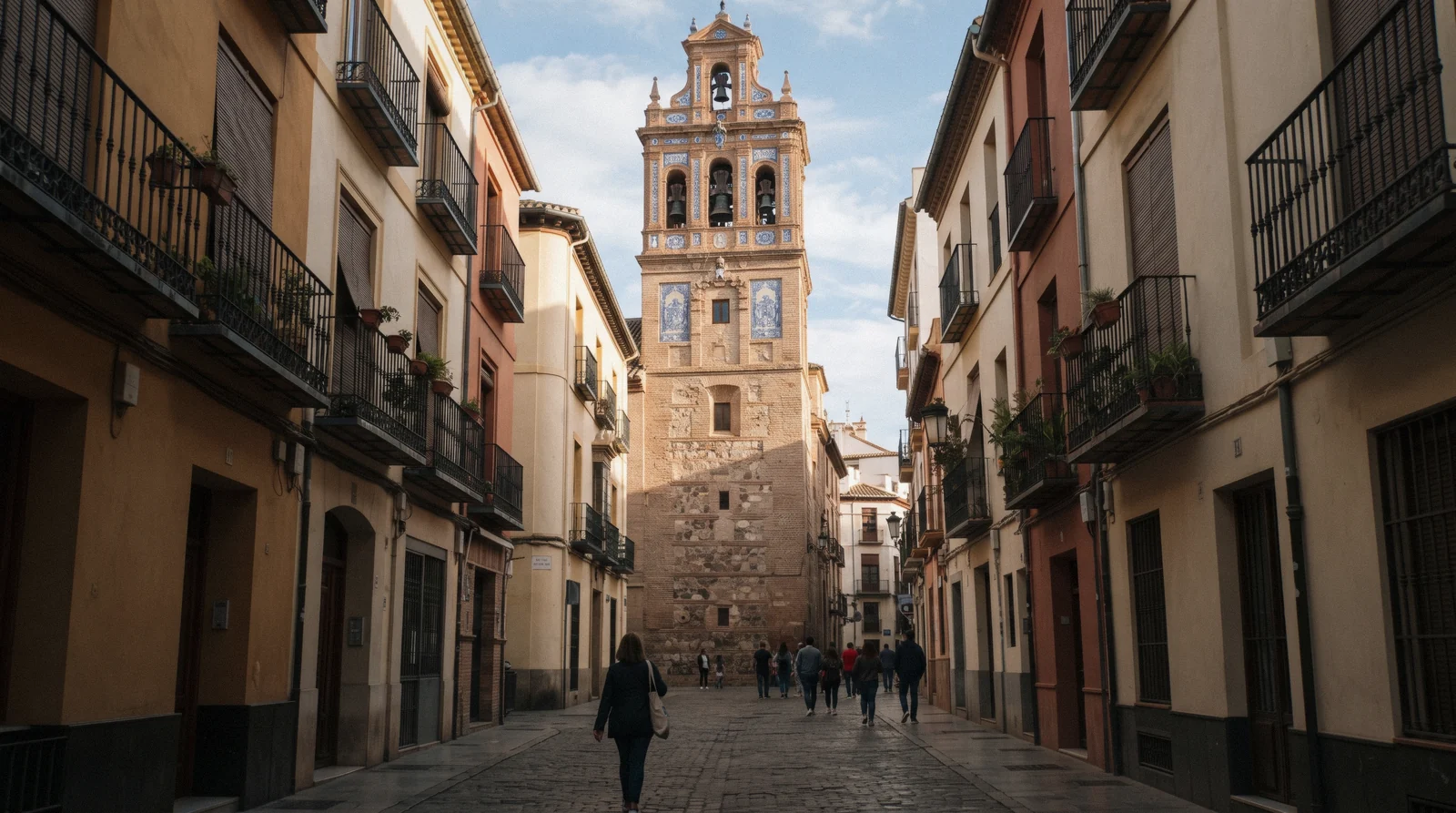
Quick answer The dates, the house, the church, the five returns and the two museum prices
Picasso was born in Málaga on 25 October 1881, on the second floor of what is now number 15 Plaza de la Merced, and was baptised at the church of Santiago on 10 November 1881. The family left for La Coruña in mid-October 1891, and he returned five times, with the last stay ending on 28 January 1901. He never came back, dying in France in 1973. Two museums hold his memory here, the Casa Natal in his birth house at $3.50 (€3) and the Museo Picasso Málaga in the Palacio de Buenavista at $15.15 (€13).
Key takeaways
- Start where he started: the Casa Natal Picasso page has the rooms, the free Sunday window and the $0.35 (€0.30) online fee that makes the desk the better buy
- For the paintings, the Museo Picasso Málaga entry ticket at $15.12 is the museum's own timed ticket, three cents under the door price
- Every paid and free way into the palace is compared on the Picasso Museum tickets page
The Birth on the Plaza de la Merced, 1881
Pablo Ruiz Picasso was born at 23:15 on 25 October 1881, on the second floor of number 36 of the Plaza de la Merced, the house numbered 15 today. The birth was attended by his paternal uncle, Doctor Salvador Ruiz, a detail the Fundación Picasso records in its own account of the artist and the city. His parents were José Ruiz Blasco, a drawing teacher born in Málaga in 1838, and María Picasso López, born in Málaga in 1855. They had married in 1880, and Pablo was the first of their three children, before Dolores and María de la Concepción.
The civil register gives him a name that fills a whole line: Pablo, Diego, José, Francisco de Paula, Juan Nepomuceno, Crispiniano y de la Santísima Trinidad, with María de los Remedios added on the baptism record. Sixteen days after his birth, on 10 November 1881, he was baptised at the parish church of Santiago on Calle Granada, a few streets below the square. The Fundación Picasso, which runs the birthplace museum, warns honestly that the anecdotes of his childhood were often embellished or exaggerated, so the small stories told about the baby on the Plaza should all be read with that caution.
Fundación Picasso, Picasso y Málaga: https://museocasanatalpicasso.malaga.eu/picasso/picasso-y-malaga/ (read in Q3 2026) · Wikipedia, Pablo Picasso: https://en.wikipedia.org/wiki/Pablo_Picasso
A Teacher's Son, Pigeons and the First Pictures
José Ruiz Blasco taught drawing at the Escuela de Bellas Artes de San Telmo and curated the Museo Municipal, which then sat in the former Convento de San Agustín, the block below today's Picasso museum. He was a painter of animals, above all birds, and still lifes. Wikipedia describes him as a professor at the School of Crafts and curator of a local museum, while the Fundación names the Escuela de Bellas Artes de San Telmo, so the exact school name differs between the two accounts. What both agree on is the pigeons. One of Pablo's earliest drawings, made in Málaga about 1890, shows pigeons in a dovecote, and at the 1950 Sheffield peace congress Picasso told the story of learning to paint pigeons from his father. The further tale that Don José gave up painting after seeing his thirteen-year-old son's pigeon is marked apocryphal by Wikipedia.
The two earliest surviving works from the Málaga years are the oil Vista del puerto de Málaga from 1888 and El picador amarillo from about 1889, which the Fundación dates only as "h. 1889". Pablo attended the Colegio de San Rafael on Calle Comedias, and his father took him to the Plaza de Toros de La Malagueta, where he saw many bullfights. Bullfighting and pigeons, the Fundación notes, became lifelong themes drawn from this childhood. The city he grew up in was hard, too. Málaga in 1881 was declining after a prosperous century of wine, raisins, iron and textiles, phylloxera had destroyed almost all the province's vineyards by about 1885, an earthquake struck in 1884 and the 1885 cholera epidemic killed about 2,500 people.
Fundación Picasso, Picasso y Málaga: https://museocasanatalpicasso.malaga.eu/picasso/picasso-y-malaga/ (read in Q3 2026) · Wikipedia, Pablo Picasso: https://en.wikipedia.org/wiki/Pablo_Picasso
The Departure of 1891 and the Five Returns
In mid-October 1891 the Ruiz Blasco family left Málaga for La Coruña in the north, where Don José had taken a chair of drawing. From 1895 they lived in Barcelona, where his father took a post at the Escuela de la Llotja. The Fundación counts the Málaga balance as barely ten years and some brief seasons, which is why the five returns matter so much to the story of Picasso in Málaga.
He was back between April and September 1895, and again in the summers of 1896, 1897 and 1899. The fifth and last stay came in the winter of 1900 to 1901, a few days only, travelling with his friend Casagemas, and ended on 28 January 1901. From 1904 Picasso lived in France, and he died there in 1973, never returning to the city of his birth.
The city stayed with him. In 1957 a group of young Málaga painters visited him at Cannes, and he asked them whether the marble benches and the pebbles of the Plaza de la Merced survived, and whether the pigeons were still there. In the book Querido Picasso, Josep Palau i Fabre reports Jacqueline, Picasso's wife, reminding him that he had once said he would like to be buried in the Plaza de la Merced. That is a reported remark, not a documented plan, and should be read as such. The pigeon story from Sheffield in 1950, where he spoke at the peace congress, is better documented but still comes from his own telling.
Fundación Picasso, Picasso y Málaga: https://museocasanatalpicasso.malaga.eu/picasso/picasso-y-malaga/ (read in Q3 2026) · Wikipedia, Pablo Picasso: https://en.wikipedia.org/wiki/Pablo_Picasso
The Picasso Sites That Survive, With Prices and Hours
Prices and hours below are the operators' own, as read on in Q3 2026. Walk minutes are this project's estimates on foot from the Casa Natal.
Six places, in the order a visitor meets them from the square. Two are museums with a tariff, one is a working parish church, one is a building his father worked in, one is the bullring and one is on the list only because readers ask about it.
| Site | What it is to Picasso | Adult price | Hours | Walk from Casa Natal |
|---|---|---|---|---|
| Casa Natal Picasso, Plaza de la Merced 15 | The birth house, now the Fundación Picasso's museum | $3.50 (€3), $4.66 (€4) with the temporary show | 09:30–20:00 daily, free Sundays 16:00–20:00 | 0 min |
| Iglesia de Santiago, Calle Granada | Baptised here on 10 November 1881 | not stated | not stated | 3 min, our estimate |
| Museo Picasso Málaga, Palacio de Buenavista | The main collection in the palace on Calle San Agustín, near the Museo Municipal his father curated | $15.15 (€13) | 10:00–19:00 Mar–Jun and Sep–Oct, to 20:00 Jul–Aug, to 18:00 Nov–Feb | 4 min, our estimate |
| Escuela de San Telmo, Plaza de la Constitución (today's Ateneo) | The art school where his father taught drawing | not stated | not stated | 8 min, our estimate |
| Plaza de Toros de La Malagueta | Where Pablo watched bullfights with his father | $18.64 (€16) | 10:00–18:00 daily, last entry 17:00 | 15 min, our estimate |
| Cementerio Inglés, Avenida de Pries 1 | No documented link to Picasso on the Fundación's list of Picasso places or on Wikipedia | $5.83 (€5) | Tue–Sun 09:00–14:00, closed Monday | 25 min, our estimate |
The Birth House, Room by Room
The Casa Natal, run by the Fundación Picasso that the city created in 1988, fills two floors of the birth house. The first-floor family rooms hold the christening gown, his baby shirt and umbilical band, one of the shoes he learned to walk in, the lead figurines he played with, and a facsimile of the baptism record from Santiago. The main salon opens onto the Plaza de la Merced with 19th-century furniture and oils that belonged to the family.
Downstairs is the collection's most valuable object, sketchbook number 7 for Les Demoiselles d'Avignon, 84 drawings from 1907 and the only one of the 16 surviving sketchbooks for that painting held in Spain. Section 7, called Palomas, traces the pigeon theme from his father's studio to the 1949 lithograph that became the Paris Peace Congress poster. The Picasso's Birthplace Museum entrance ticket at $4.65 is the open-dated version for a phone, and the audio guide is free in six languages either way.
The Palace, the Church and the Ring
The Museo Picasso Málaga opened on 17 October 2003 with the King and Queen of Spain present, in the Palacio de Buenavista, a 16th-century palace built over the remains of a Nasrid palace. Its core is the gift of 155 works from Christine Ruiz-Picasso, widow of Picasso's eldest son Paulo, and Bernard Ruiz-Picasso, his grandson. Under your feet as you walk are a Phoenician wall and towers and a Roman garum factory.
The current hang, Structures of Invention, runs to 30 January 2028 with about 144 works from 1895 to 1972. The church of Santiago carries a contested founding date, with the Spanish Wikipedia infobox saying 1490 and its own text saying construction began about 1509. The bullring is simpler: built between 1874 and its inauguration on 11 June 1876, and the Fundación notes simply that Pablo saw many corridas there with his father.
Fundación Picasso, Picasso y Málaga: https://museocasanatalpicasso.malaga.eu/picasso/picasso-y-malaga/ (read in Q3 2026) · Wikipedia, Pablo Picasso: https://en.wikipedia.org/wiki/Pablo_Picasso · Wikipedia, Iglesia de Santiago Apóstol (Málaga): https://es.wikipedia.org/wiki/Iglesia_de_Santiago_Ap%C3%B3stol_(M%C3%A1laga)
The Two Picasso Tickets and the Guided Way In
Prices in USD as listed on in Q3 2026. The first is the museum's own timed ticket sold through the platform, the second is the open-dated birth-house ticket, and the third puts a guide beside you in the palace.
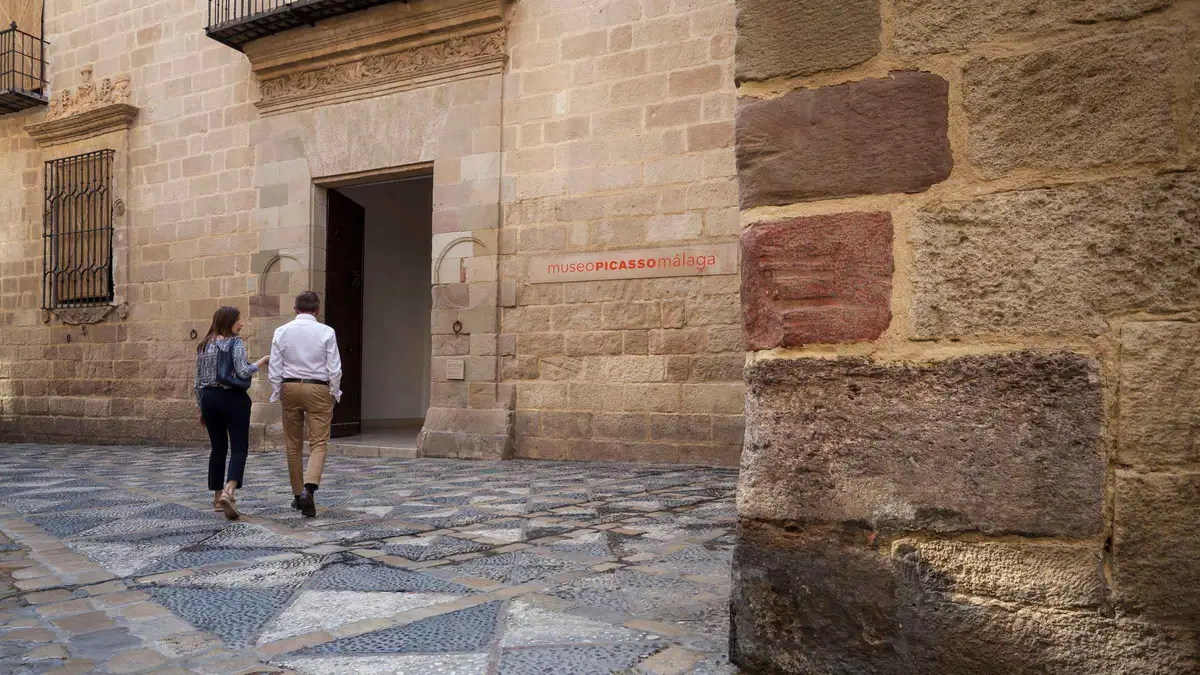 from $15.12
Most reviewed
from $15.12
Most reviewed Málaga: Museo Picasso Málaga Entry Ticket
The museum's own timed ticket sold through GetYourGuide: full access to the 12-room permanent collection, the temporary shows, the Phoenician and Roman remains under the building, and a web-app audio guide. Scan the audio QR at the entrance or you lose it; the listing's exhibition names are out of date.
Check Availability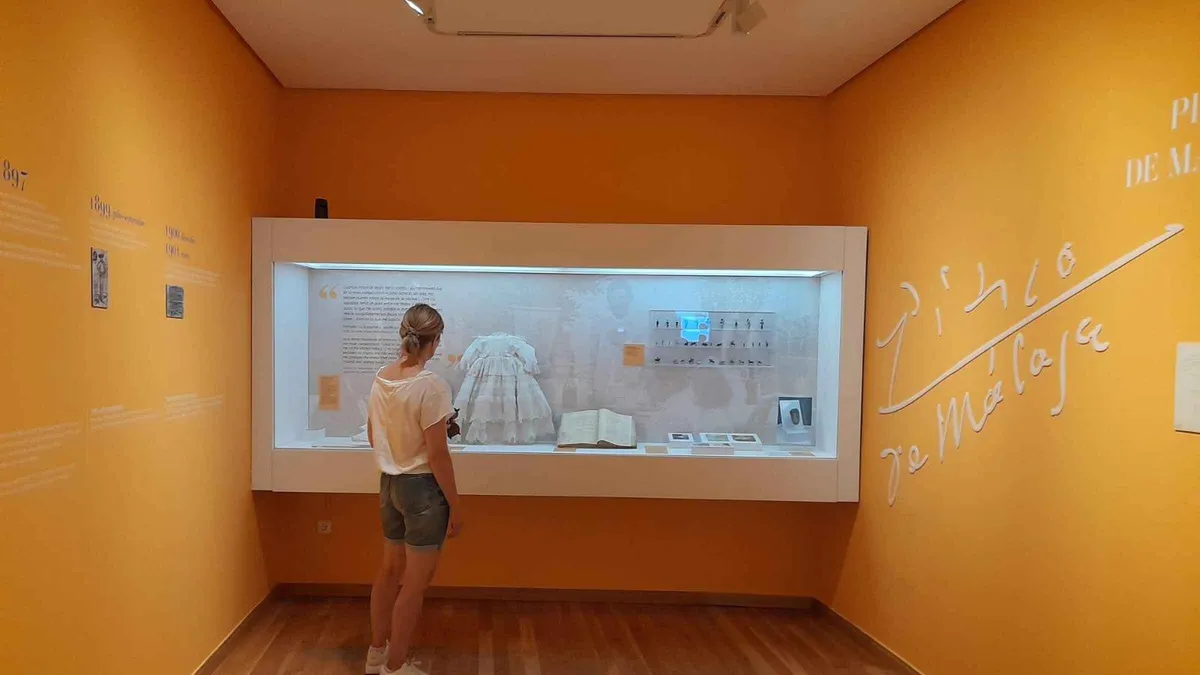 from $4.65
Most reviewed
from $4.65
Most reviewed Malaga: Picasso’s Birthplace Museum Entrance Ticket
A non-refundable open-dated ticket for the house on Plaza de la Merced where Picasso was born, with the audio guide, valid one day from first use. It is the birthplace museum of family objects and early works, not the main Picasso Museum; the listing's exhibition dates are stale.
Check Availability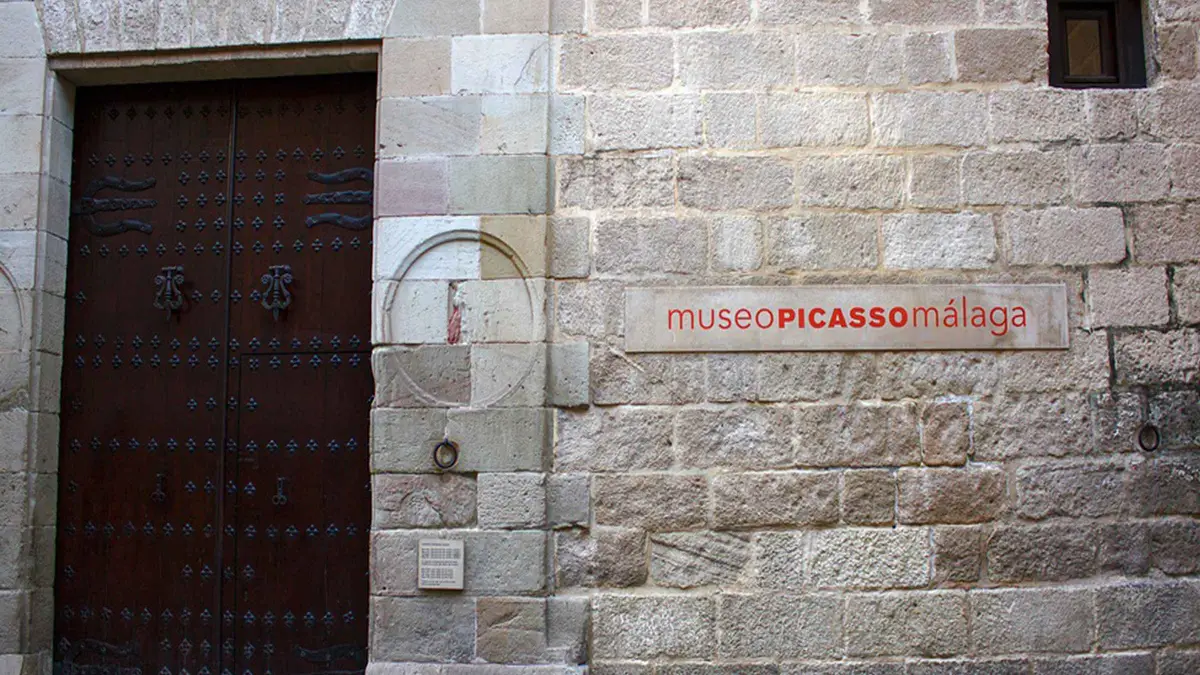 from $40.72
Top rated
from $40.72
Top rated Malaga: Picasso Museum Guided Tour with Skip-the-Line Ticket
Ninety minutes inside the Museo Picasso Málaga with a guide who walks the permanent collection chronologically, ticket included, in English or Spanish. Book the language carefully and arrive early: the operator does not refund wrong-language bookings or admit latecomers, and the museum will not let you in without a new ticket.
Check AvailabilityPrices, ratings and details are the platform's own; dollar figures are the listed prices — the platform bills in your account's currency.
When Both Picasso Museums Are Free
Both museums have free hours, and they work differently. The Casa Natal is free every Sunday from 16:00 to 20:00, a fixed window, and also on 28 February, 18 May, 27 September, 25 October and a variable date in May. The palace follows the season instead, opening free for the last two hours of every Sunday, so 17:00 to 19:00 in March to June and September to October, 18:00 to 20:00 in July and August, and 16:00 to 18:00 in November to February, plus 28 February, 18 May, 27 September and 27 October, the museum's own anniversary.
Age rules differ too. At the palace, children under 17 enter free, along with job seekers, ICOM members and others on the museum's list. At the Casa Natal the free list starts at under 18. One thing worth knowing: the Casa Natal adds $0.35 (€0.30) of processing to every online ticket and has no timed entry to protect, so buy at the desk. The Málaga museums hub lists every free window in the city in one place, and the Picasso Museum tickets page compares the paid options if the free hours are crowded.
Casa Natal hours and tariffs: https://museocasanatalpicasso.malaga.eu/Visita/horarios-y-tarifas/ (read in Q3 2026) · Museo Picasso Málaga visit page: https://www.museopicassomalaga.org/en/visita
A Picasso Half Day on Foot
You can cover the whole of Picasso's Málaga in one morning, since everything sits inside the Centro Histórico except the bullring. Go early, start at the square where he was born, and let the walk run downhill and out to the sea. The order below follows his own geography, from the birth house to the sand of La Malagueta, and leaves the cathedral as an optional detour between the museum and the school.
If you only have time for two stops, make them the two museums, and use the things to do hub to fill the rest of the day.
- Start at the Casa Natal Picasso on Plaza de la Merced 15, his birth house, and allow about an hour
- Walk 3 minutes, our estimate, down Calle Granada to the Iglesia de Santiago, where he was baptised on 10 November 1881
- Walk 4 minutes, our estimate, to the Museo Picasso Málaga on Calle San Agustín, past the former Convento de San Agustín where his father curated the Museo Municipal
- Optional detour 4 minutes, our estimate, to Málaga Cathedral between the museum and the school
- Walk 8 minutes, our estimate, from the Casa Natal to the Escuela de San Telmo on Plaza de la Constitución, where his father taught
- Finish 15 minutes, our estimate, from the Casa Natal at the Plaza de Toros de La Malagueta, where he watched corridas with his father
Picasso in Málaga: the Questions People Actually Ask
Why is Picasso famous in Málaga?
Because he was born here, on the Plaza de la Merced, on 25 October 1881, and spent his first ten years in the city. The Fundación Picasso credits Málaga with the themes that followed him for life, bullfighting, pigeons and the Mediterranean. The city honours that with the birthplace museum and the Museo Picasso Málaga, and the free things to do page covers the free hours at both.
Where is Picasso's house in Málaga?
His birth house is Plaza de la Merced 15, the second floor, then numbered 36. It is the Museo Casa Natal Picasso, open daily 09:30 to 20:00, and the Casa Natal Picasso page has the full room-by-room visit.
Where is the best Picasso Museum in Spain?
This site compares only the two in Málaga. The Museo Picasso Málaga in the Palacio de Buenavista holds the paintings, built on the 155-work gift from the Ruiz-Picasso family, and its current hang shows about 144 works. The Casa Natal holds the personal and childhood material, including the christening gown and the Demoiselles sketchbook. The Barcelona and Madrid holdings are not compared here.
Is the Picasso Museum free in Málaga?
Partly. The Museo Picasso Málaga is free for the last two hours of every Sunday, which moves with the season, and on 28 February, 18 May and 27 September, and children under 17 always enter free. The Casa Natal is free every Sunday 16:00 to 20:00 and on the same celebration dates. The Picasso Museum tickets page has the full list of who is free.
How long did Picasso live in Málaga?
Just under ten years. He was born in Málaga in October 1881 and the family left for La Coruña in mid-October 1891, where his father had taken a teaching post. The Fundación calls the total barely ten years and a few brief seasons. The Casa Natal shows the ten years room by room.
Did Picasso ever return to Málaga?
Five times. He was back between April and September 1895 and in the summers of 1896, 1897 and 1899, then once more from December 1900 to 28 January 1901 with his friend Casagemas. After he settled in France in 1904 he never returned, though in 1957 he asked young Málaga painters at Cannes whether the pigeons of the Plaza de la Merced were still there. The Museo Picasso Málaga opened thirty years after his death.
Picasso in Málaga on Video
Three short films on the artist and his birth city.
BBC Travel Show: Picasso's Legacy in Málaga
The BBC's travel team walks the Picasso sites of Málaga, from the birthplace on the Plaza de la Merced to the palace museum.
Video: BBC Travel ShowPablo Picasso. Structures of Invention. The Unity of a Life's Work
The Museo Picasso Málaga's own film on the exhibition that shapes the museum's current hang.
Video: Museo Picasso MálagaIs the Picasso Museum in Málaga Worth It?
One visitor's honest walk-through of the museum, with what the ticket buys you and how long to allow.
Video: Oscar The RookieVideos load from YouTube only when you press play.